
Staying safe on island and snorkelling trips in Malaysia
By Janice · Updated 2026-08-01
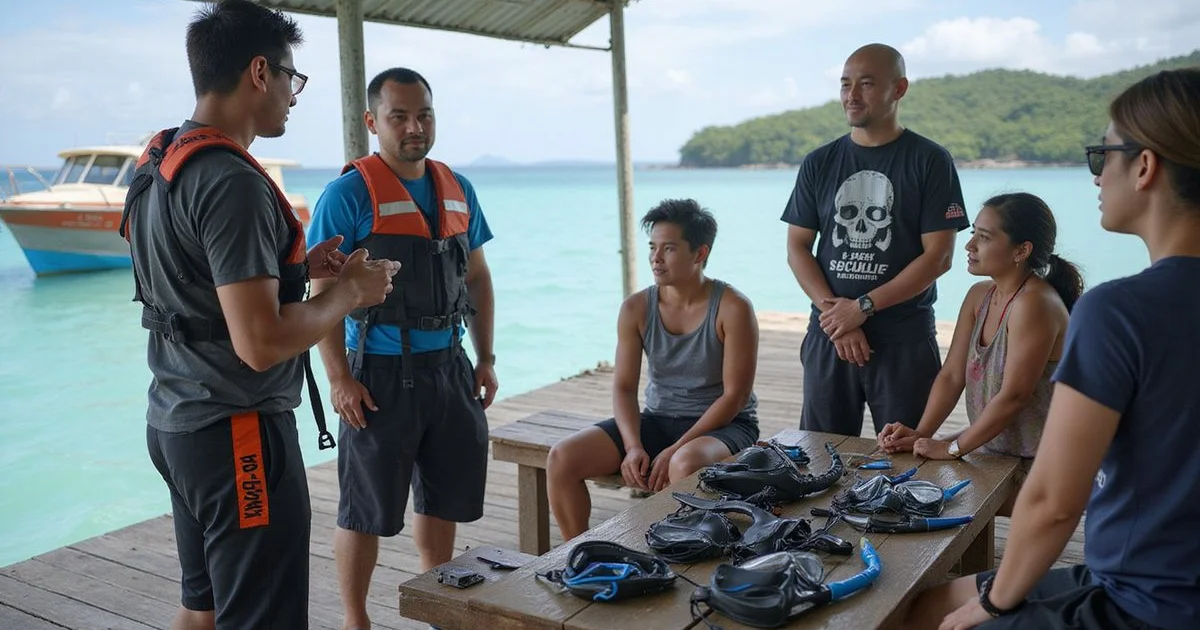
Malaysia’s island and nature excursions are one of the highlights of a trip here, and the vast majority run without any problem. The risks that do come up, boat safety, swimming ability mismatches, and reef damage from careless snorkelling, are almost all preventable with a few checks before you get in the water. This is general safety information, not a substitute for professional medical or diving safety advice.
Boat and water safety basics
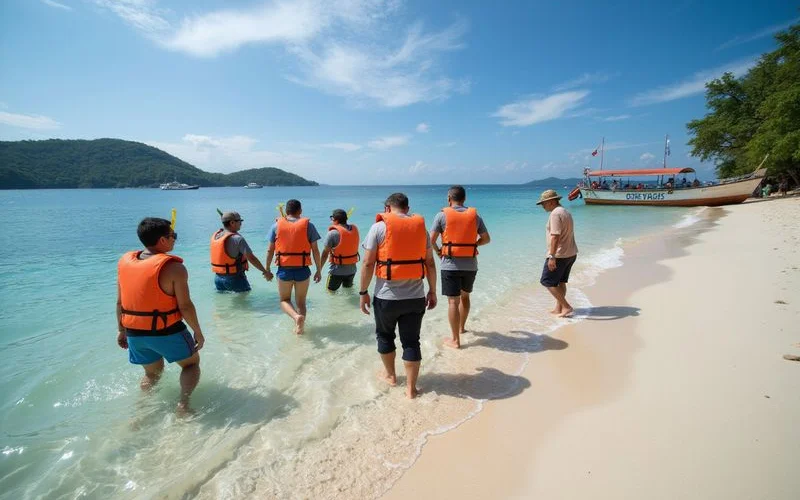
Every passenger should have a properly fitted life jacket for boat transfers and be required to wear it, not just have one available. Ask before boarding what the plan is if weather turns during the trip, since a responsible operator will delay or reroute rather than push through rough seas. Weather risk is highest during the wet season; the monsoon season guide covers how to time a trip around it. Be honest with your guide about your swimming ability. Flotation aids exist for a reason, and there is no upside to overstating your comfort in open water.
Choosing a diving or snorkelling operator
For diving specifically, confirm the instructor or dive master holds a recognised certification like PADI, and ask how the dive site matches your own certification level. Equipment should be visibly well maintained; do not hesitate to ask when tanks and gear were last inspected. For snorkelling trips, a good operator briefs everyone before entering the water on currents, marine life to avoid touching, and where the boat will be if the group splits up.
Protecting the reef protects the trip
Marine park fees collected at many island destinations fund conservation of the reefs you are there to see, and operators who take reef protection seriously tend to run safer trips overall, since the same care extends to how they handle passengers. Avoid standing on coral, touching marine life, or using reef-damaging sunscreen where reef-safe alternatives are available.
A quick pre-trip checklist
| Check | Why it matters |
|---|---|
| Life jackets provided and required | Basic protection during boat transfers |
| Swimming ability discussed honestly | Matches you to the right level of supervision |
| Diving certification verified | Confirms instructor competence for the dive site |
| Weather contingency explained | Shows the operator has a real safety plan |
| Reef briefing given before entering water | Protects you and the reef |
Sun and heat on the water
Sun exposure on a boat is stronger than it feels, since reflection off the water adds to direct sun and the sea breeze can mask how much you are burning. Reef-safe sunscreen, a hat, and a light long-sleeve layer for the boat ride between stops all help, particularly on a full-day island itinerary with multiple hours in open water. Reapply sunscreen after each swim rather than assuming a single morning application lasts the whole day.
Group size and supervision
A smaller boat with a lower passenger-to-guide ratio generally means closer supervision in the water, which matters most for weaker swimmers or families with children. If group size and supervision level matter to you, ask directly how many passengers the boat carries and how many staff are in the water during a snorkelling stop, rather than assuming a larger, cheaper group tour offers the same level of attention as a smaller one.
Motion sickness and boat comfort
Longer boat rides between islands can bring on motion sickness even for travellers who do not usually get seasick, given the open water and vessel size involved. Sitting toward the middle of the boat where movement is felt least, keeping your gaze on the horizon rather than a phone screen, and bringing motion sickness medication if you are prone to it are simple, practical steps. A good operator will also mention this before departure rather than leaving first-timers to figure it out mid-crossing.
What good operators do differently
Reviewers across this directory consistently mention well-organized itineraries and knowledgeable guides for island trips that go well, and the same qualities show up in how safety is handled: a guide who briefs the group properly and checks in throughout the day is doing the same groundwork that keeps a trip both enjoyable and safe.
To browse currently top-rated island and nature excursion operators, start from the homepage. For how operators are ranked here, see our methodology.
Common questions
- Are life jackets provided on island hopping boats?
- Reputable operators provide and require life jackets for every passenger during boat transfers and open-water snorkelling stops. If a boat does not offer one or does not insist you wear it, treat that as a sign to reconsider.
- Do I need to know how to swim to go snorkelling?
- Basic swimming ability is recommended, but many operators provide flotation aids for weaker swimmers. Tell your guide honestly about your swimming ability before you get in the water rather than after.
- What should I check before booking a diving trip?
- Confirm the instructor or dive master holds a recognised certification such as PADI, ask about the dive site's difficulty relative to your own certification level, and check that equipment is inspected regularly rather than assuming it is.
- Is it safe to snorkel or dive near marine parks?
- Yes, and marine park areas are usually the best-protected reef sites. Operators typically factor the marine park entry fee into your package and should brief you on reef-safe practices like not touching coral or standing on it.