
Best time of year for island trips in Malaysia: the monsoon season explained
By Janice · Updated 2026-08-17
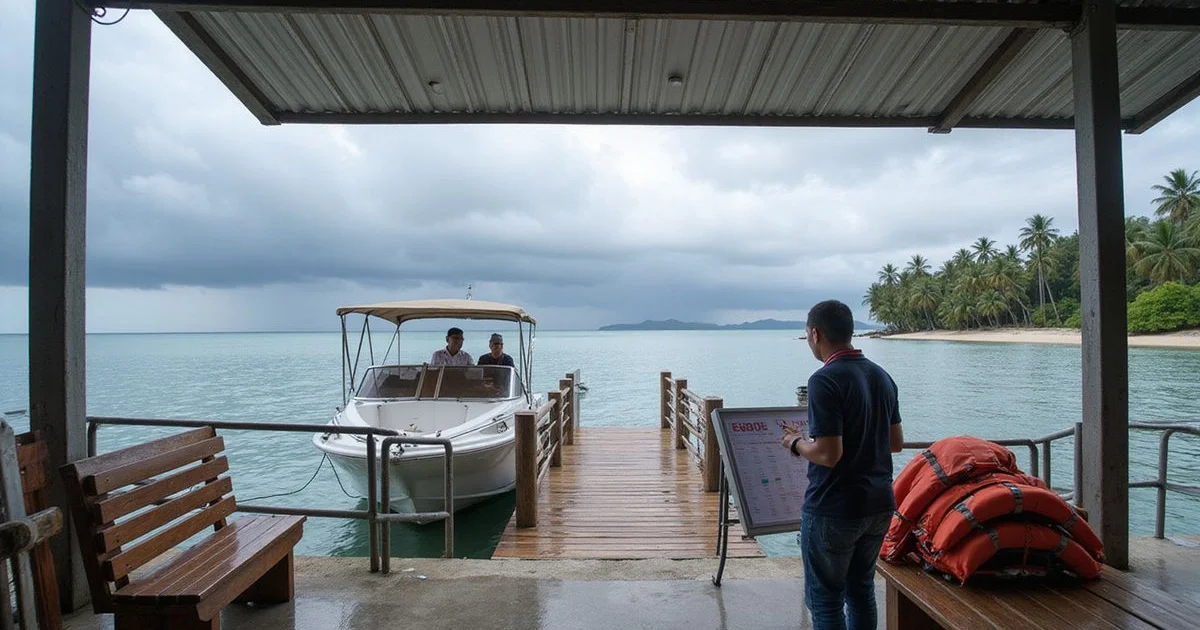
Timing matters more for island and nature excursions than almost any other tour type in Malaysia. Rough seas and heavy rain during the wet season genuinely close some boat routes and resorts for weeks at a time, not merely make a trip less pleasant. Planning around the season, rather than around it happening to you, makes a real difference. Once the timing is sorted, the island and snorkelling safety guide covers the on-the-water checks worth doing regardless of season.
The east coast wet season
Malaysia’s east coast islands, popular for their clear water and reef access, see a wet season roughly from November through February. During the peak of this window, rough seas make boat crossings unsafe on some days, and a number of island resorts and operators scale back services or close entirely for the season. If your trip falls in this window and includes an east coast island, treat that as a real planning constraint, not a minor inconvenience.
The west coast runs differently
West coast islands generally follow a different weather pattern and are less affected by the same monsoon window, which is why they are a common choice for travellers whose dates land during the east coast’s wet season. This does not mean the west coast is immune to bad weather, just that the seasonal disruption is less predictable and less severe.

What actually happens if you book during monsoon
Some operators keep running with weather-dependent departures, cancelling or rescheduling specific days as conditions require. Others close entirely for the deepest part of the wet season. If your dates are fixed and fall in this window, ask the operator directly about their current season status rather than assuming a listing you saw online is still accurate, since conditions and operator schedules shift year to year.
Rough seasonal picture
| Destination | Higher-risk window | What to expect |
|---|---|---|
| East coast islands | Roughly November to February | Rough seas possible, some closures |
| West coast islands | Less pronounced pattern | Generally more consistent access |
| Inland nature excursions | Less weather-dependent | Rain affects comfort more than access |
Treat this as a general seasonal pattern, not a fixed calendar. Confirm current conditions and operator status directly before booking, especially for travel close to the edges of the wet-season window.
Why the dry season books out early
Because the wet-season closures are well known among regular visitors, the dry-season window on the east coast tends to book out faster, especially for popular island resorts and dive or snorkel packages during school holiday periods. If your trip depends on a specific island during peak dry-season months, booking well ahead protects your dates far more than it does for a city day tour, where availability is rarely a constraint.
Package type matters as much as the date
A day trip with no overnight stay is generally easier to reschedule around a single rough-sea day than a multi-day package that has accommodation booked at a fixed resort. If you are travelling during a shoulder period, close to the edges of the wet season rather than the middle of it, a shorter package gives you more flexibility to shift plans at short notice than a longer one with fixed nights already paid for.
Crowds and pricing outside the wet season
Peak dry-season months on popular islands bring larger crowds and, in some cases, higher accommodation prices alongside the better weather. Shoulder periods just before or after the main wet season sometimes offer a reasonable middle ground: generally settled weather with fewer crowds than the absolute peak. If flexibility on dates is available, ask an operator when their quieter, still-reliable weeks tend to fall.
Building flexibility into your plan
If your travel dates cannot avoid the wet-season window, keep your itinerary flexible where possible and confirm with the operator close to your travel date rather than months in advance. A responsive operator who communicates proactively about weather-related changes, one of the recurring praise themes across this directory, makes a weather-affected trip far less stressful than one that goes quiet until the day itself.
To browse currently top-rated island and nature excursion operators, start from the homepage. For how rankings are calculated, see our methodology.
Common questions
- When is monsoon season for Malaysia's east coast islands?
- Roughly November through February brings the wet, rougher-sea period to the east coast, and many island resorts and boat operators there scale back or close entirely during the peak of it. Always check current conditions for your specific destination and dates, since exact timing shifts year to year.
- Are west coast islands affected the same way?
- No, the west coast generally follows a different pattern and is less affected by the same monsoon window, which is why travellers often choose west coast islands for a trip during the east coast's wet season.
- Can I still book an island tour during monsoon season?
- Some operators run reduced schedules with weather-dependent departures, but expect a higher chance of cancellation or rescheduling. If your travel dates are fixed and fall in this window, ask the operator directly about their current season status before booking.
- What is the best time to book to avoid monsoon disruption?
- Outside the wet-season window for your specific destination is the safer bet. If travel dates are already fixed and fall within it, build flexibility into your itinerary and confirm conditions with the operator close to your travel date.