
Planning a corporate or incentive trip in Malaysia: what to expect
By Janice · Updated 2026-08-09
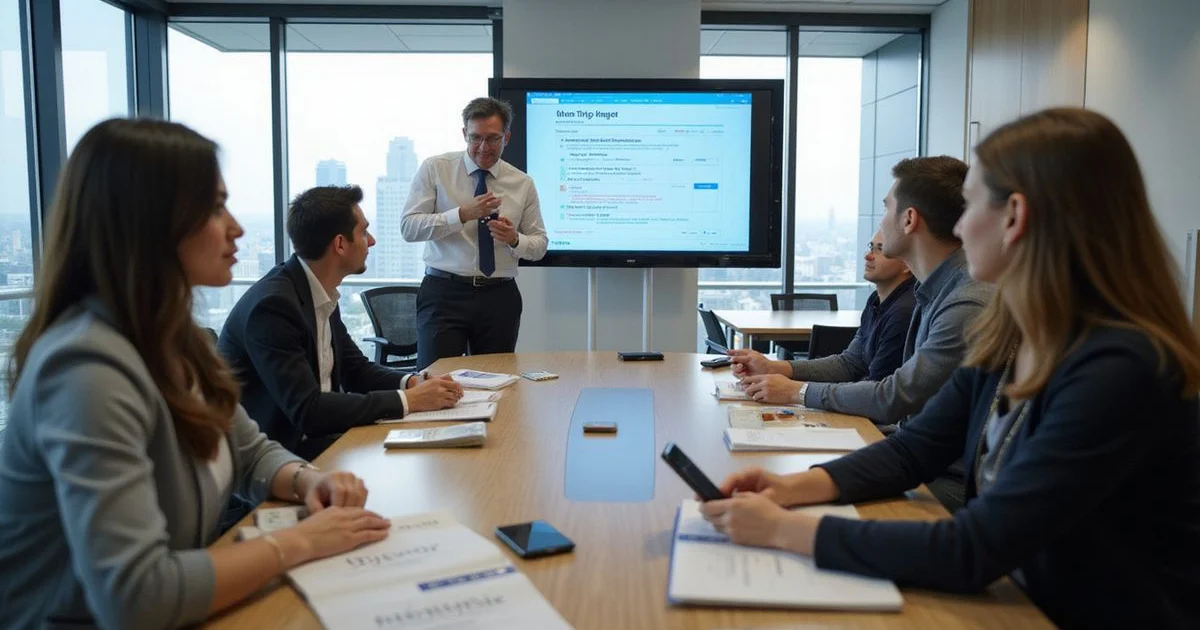
Group and corporate tours in Malaysia cover everything from a half-day team building activity to a multi-day incentive trip with venues, transport and evening events layered together. The planning process looks different from booking a personal holiday, mainly because more moving parts have to line up before anyone confirms a date.
Start with a clear brief, not a rough idea
The single biggest factor in getting an accurate quote quickly is a specific brief: confirmed or likely group size, dates, a rough budget range, and whether the trip is mostly meetings with a social element or mostly activities with some business built in. Dietary requirements, accessibility needs, and whether transport and accommodation are in scope all change the shape of a quote, so gathering this before the first conversation with an operator saves several rounds of back and forth.
Local knowledge matters more than it seems
Malaysia-based operators, sometimes working as ground handlers or destination management companies for trips organised from abroad, generally move faster on venue availability, vendor relationships and last-minute changes than arrangements made remotely. This matters more as the trip grows in size or complexity. For a small local team outing, the gap is smaller. For a 50-person incentive trip with multiple venues, it is significant.
What typically drives the quote
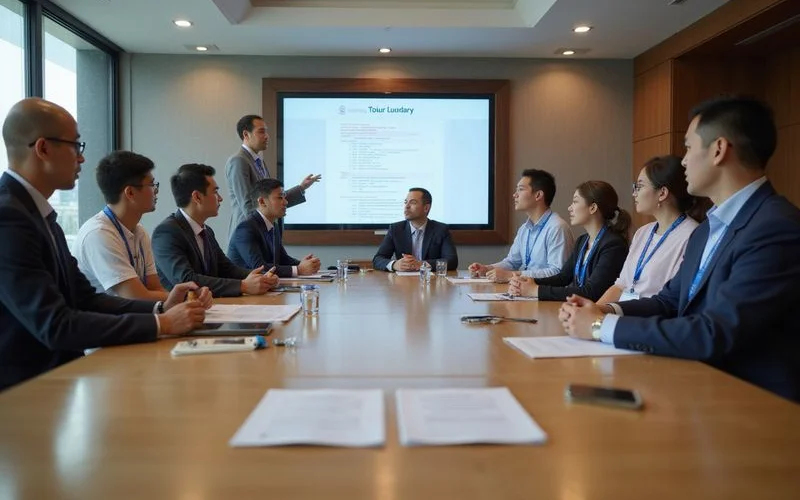
Vehicle and venue capacity scale with group size in fairly predictable steps, similar to how private tour vehicles are sized. Beyond that, the number of distinct activities or venues in a single day, whether meals are catered or restaurant-based, and any evening entertainment or event production all add cost. A trip that mixes a conference morning with an activity afternoon and a dinner event costs meaningfully more than a single-venue day, since each transition adds logistics.
A rough planning timeline
| Stage | When to start | What happens |
|---|---|---|
| Initial brief | 2 to 3 months ahead for larger groups | Group size, dates, budget, activity mix confirmed |
| Venue and vendor lock-in | 6 to 8 weeks ahead | Availability confirmed, deposits placed |
| Detailed itinerary | 3 to 4 weeks ahead | Timings, transport, meals finalised |
| Final numbers | 1 to 2 weeks ahead | Group size confirmed for catering and vehicles |
| Trip execution | On the day | Coordinator manages logistics and changes |
Team building versus a broader incentive trip
A single team building activity, a half or full day booked around one exercise or venue, is a much simpler booking than a multi-day incentive trip layering flights, hotels, activities and events together. Be clear with yourself and your operator about which one you actually need. Some companies default to asking for a full incentive-trip proposal when a shorter, activity-focused booking would meet the goal at a fraction of the planning effort and cost. The general trade-offs between a single day out and a longer package are the same ones covered in the day tour vs multi-day tour guide.
Managing dietary and accessibility needs at scale
For groups above roughly 15 to 20 people, dietary requirements and accessibility needs stop being a quick individual conversation and become a logistics item that needs collecting in advance, ideally through a simple form circulated to attendees ahead of the trip. An operator experienced with corporate groups will usually prompt you for this rather than leaving it for you to remember, which is a reasonable signal of how organised the rest of the trip will be.
What good execution looks like
Well-organized itineraries and responsive communication are the qualities that come up most often in positive feedback for group and corporate operators across this directory, and they matter even more on a corporate trip than a personal one, since a delay or mix-up affects a whole group’s schedule rather than one traveller’s. An operator who confirms details in writing and stays reachable throughout planning is worth more than one offering the lowest initial quote.
To browse currently top-rated group and corporate tour operators, start from the homepage. For how rankings are calculated, see our methodology.
Common questions
- How far in advance should a corporate trip be planned?
- For groups over roughly 20 people, or trips involving venue bookings and multiple activities, start at least two to three months ahead. Smaller groups with a simpler itinerary can move faster, but venues and activity slots at popular times fill up regardless of group size.
- What information does an operator need to give an accurate quote?
- Group size, dates, budget range, the mix of activities versus meetings, dietary requirements, and whether transport and accommodation are part of the scope. The more specific the brief, the more accurate the first quote will be.
- Should we use a local operator or arrange everything ourselves from abroad?
- A locally based operator, sometimes referred to as a ground handler or destination management company, generally has faster access to venues, vendors and last-minute fixes than arranging everything remotely, which matters more the larger or more complex the trip is.
- What causes corporate trip budgets to blow out?
- Underestimating transport between venues, adding activities after the initial quote, and not confirming group size early enough to lock in vehicle and venue capacity are the most common causes.